Graphics Card Explained with Detailed Buying Guide
22nd January, 2026
What is Graphics Card?
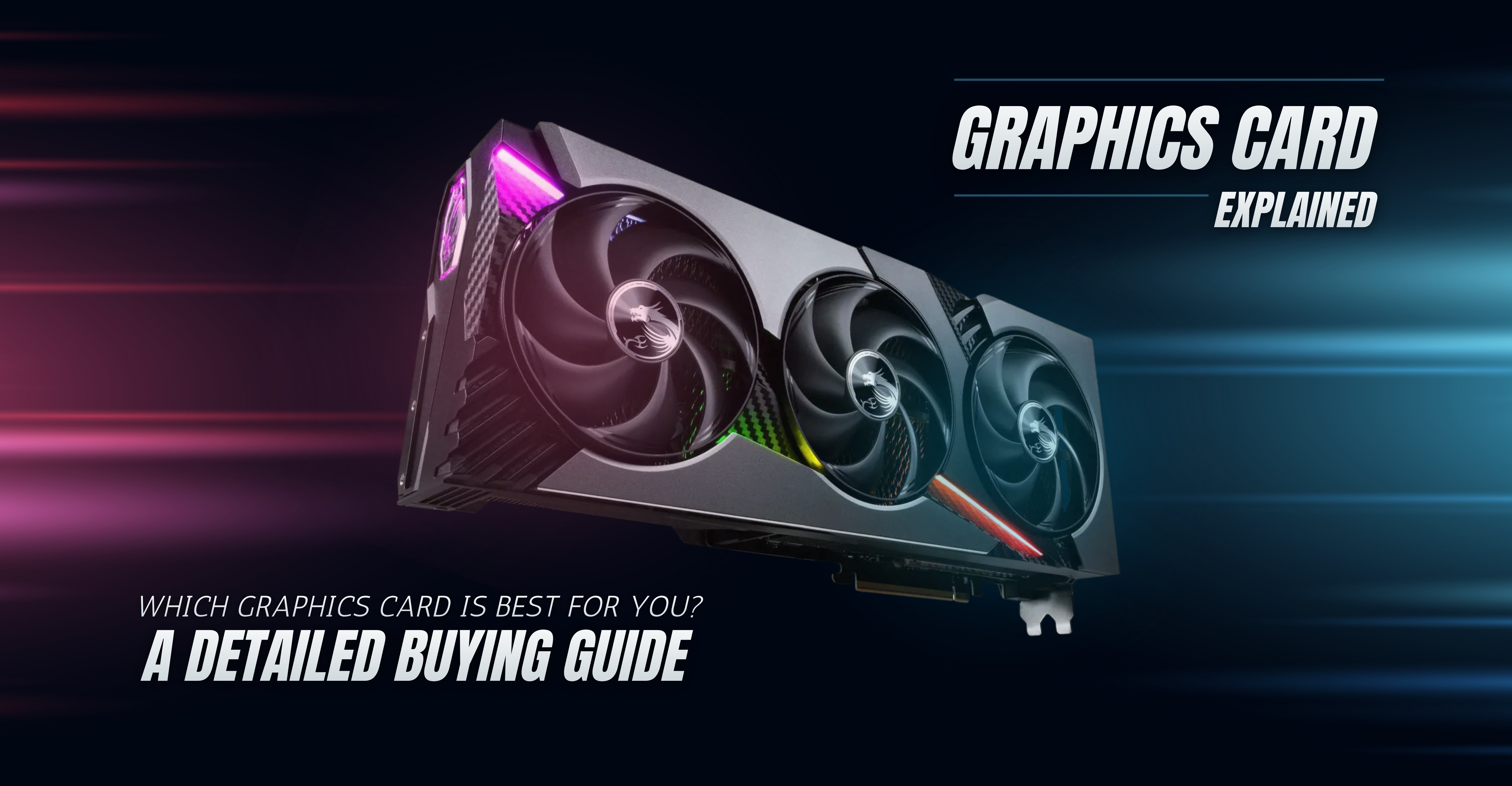
A graphics card or commonly known as GPU which stands for Graphics Processing Unit is a component of computer that creates and displays everything you see as a visual media in the computer screen. This specialized computer component is responsible for creating, processing and displaying everything you see on your monitor, from simple text and images to high-quality videos, animations and complex 3D graphics. It works by rapidly performing millions of calculations to convert data into visual output, then sending those finished images to your monitor screen. By handling visual tasks separately from the main processor CPU, a graphics card makes displays smoother, sharper and faster, which is essential for gaming, video playback, graphic design and 3D modeling. Besides daily tasks Graphics Card is heavily used by modern technologies like artificial intelligence and machine learning for accuracy and accelerated efficiency.
What does a graphics card do?
In short, A graphics card is responsible for:
- Rendering images, videos, and graphics
- Running games smoothly with better visuals
- Accelerating video editing and rendering
- Supporting graphic design and 3D modeling
- Handling multiple monitors
- Improving performance in software like Photoshop, Premiere Pro, AutoCAD, and Blender
Are graphics cards important?
Yes, graphics cards are an important component of a computer. Without a graphics card, a computer may turn on, but it will not be able to display anything on the monitor. This is why PCs and laptops come with integrated graphics. However, graphics cards were not always like the powerful GPUs we use today. Early computers in the 1970s and 1980s did not have dedicated graphics cards; instead, they used very simple display hardware built into the system or motherboard. These systems could only show text or very basic, low-resolution graphics with limited or no color. Early laptops were similar, using built-in displaycontrollers and monochrome or low-color screens to save power and space. Over time, graphics technology improved, leading to the advanced graphics cards used in modern computers. However, there was always a need for something fast and rigid way to make CPUs run faster and better which led to the invention of Graphics Card.
The Graphic Revolution - First Graphic Card Ever Built
In early computers, the CPU had to handle all the work, including graphics, which made displaying visuals slow and limited. As software, games, and graphical interfaces became more advanced, there was a need for specialized hardware to process images faster. Thus, a change in 1981 with the introduction of early display adapters like the IBM Monochrome Display Adapter (MDA) and the Color Graphics Adapter (CGA) was observed. While MDA supported text only, CGA was revolutionary because it allowed computers to display basic graphics and color for the first time. Although the resolution and colors were very limited, these early graphics cards laid the foundation for visual computing. They made it possible for computers to move beyond text-based systems and opened the door to graphical user interfaces, games, and modern visual applications, shaping the future of computing. Graphics cards, or GPUs, were designed to handle this task, freeing the CPU to manage other operations.
The CGA is usually credited as the first true “graphics card” laying the foundation of Modern Graphics Card because it could display pixels, colors, and primitive graphics, not just text.
Graphics Card Today and Beyond
Today, graphics cards are extremely powerful and essential for modern computing. They are not only used for gaming and video playback but also for professional work like 3D modeling, video editing, AI, and scientific computing. Modern GPUs can process millions of calculations at once, enabling realistic graphics, high-resolution displays and virtual reality experiences. Looking to the future, graphics cards will continue to evolve, becoming even faster and more efficient, supporting technologies like real-time ray tracing, AI-driven graphics, and immersive virtual worlds. They are no longer just an accessory they are a key part of the computer’s performance and innovation.
Top Graphics Card Chip Manufacturers
Currently there are three popular chip manufacturers of Graphics Chip around the world which are widely preferred for their performance.
- NVIDIA – Founded in 1993, NVIDIA is a leader in gaming and professional GPUs. It pioneered technologies like real-time ray tracing and AI acceleration, with popular product lines such as GeForce RTX, Quadro, and Tesla.
- AMD – After acquiring ATI in 2006, AMD became a major GPU manufacturer, producing both consumer and professional graphics cards. Its notable products include the Radeon RX series for gaming and Radeon Pro for professional workstations.
- Intel – Known primarily for integrated graphics, Intel has recently entered the discrete GPU market. Its Iris Xe and Arc series target both gamers and professionals, expanding Intel’s presence in high-performance graphics.
Fore more about different processors check Intel vs AMD
Are Graphics Card and GPU Same?
There is a confusion going around people whether if a Graphics card and GPU are, although they are relative terms but they are not exactly the same.
- GPU (Graphics Processing Unit) - A GPU is the processor or chip that performs all the calculations needed to create images, videos, and animations. It acts as the “brain” of graphics processing, handling tasks like rendering 3D environments, applying textures, and managing colors and lighting. GPUs can be integrated into a CPU or found on a dedicated graphics card.
- Graphics Card - A graphics card is the physical hardware component that contains a dedicated GPU, along with its own memory (VRAM), cpu cooling system, and power connectors. It plugs into your computer to provide high-performance graphics output, enabling smooth gaming, video playback and professional visual work. Essentially, the graphics card houses the GPU and all the other components needed to display visuals.
Key Point
- GPU = the processor (brain)
- Graphics Card = the full device that holds the GPU and other parts
What are Integrated and Dedicated Graphics Card?
- Integrated Graphics Card - An integrated graphics card is built directly into the CPU or motherboard and uses the computer’s main memory (RAM) to process graphics. It is designed for basic tasks such as browsing the web, watching videos, using office applications, and light photo editing. Integrated graphics are cost-effective, energy-efficient, and produce less heat, making them ideal for laptops and small desktops. However, they offer limited performance for gaming, 3D modeling, or other graphics-intensive applications.
- Dedicated (Discrete) Graphics Card - A dedicated graphics card is a separate hardware component that has its own GPU and memory (VRAM), specifically designed to handle high-performance graphics processing. It excels at gaming, video editing, 3D rendering, and AI tasks, providing faster and smoother visual performance than integrated graphics. Dedicated cards consume more power, generate more heat, and are more expensive, but they allow the computer to handle demanding graphics workloads without slowing down the CPU or system memory.
Graphics Card Global Market Overview
On the global stage, the graphics card market is no longer just about gaming; it has become the engine of the Artificial Intelligence revolution. As of 2026, NVIDIA continues to dominate with over 80% market share, fueled by the success of its RTX 50-series (Blackwell architecture) which introduced groundbreaking AI-driven frame generation and ray-reconstruction. However, AMD has remained a strong competitor by offering superior "price-to-performance" value with its Radeon RX 9000-series, while Intel has firmly established itself as a third major player with its Arc "Battlemage" cards targeting the mid-range market. Beyond consumer desktops, the global supply chain is heavily focused on "Data Center GPUs" to power Large Language Models, leading to a trend where consumer cards are increasingly designed with massive VRAM (Video RAM) to handle local AI tasks like image generation and personal coding assistants.
Graphics Card Market in Nepal: Demand and Accessibility
In Nepal, the graphics card market is primarily driven by a growing e-sports culture and a surge in freelance content creation (video editing and 3D rendering). Availability has significantly improved in 2026, with major tech stores in Kathmandu (like New Road and Putalisadak) and e-commerce like Zolpa stocking the latest 50-series and 9000-series cards shortly after their global launch. However, pricing remains a challenge; due to import taxes and shipping costs, GPUs in Nepal typically cost 15% to 25% more than their US MSRP. High-end cards like the RTX 5090 are treated as luxury tech items, often costing upwards of Rs. 450,000, while the "sweet spot" for most Nepali gamers remains the mid-range (RTX 3060/4060 or the newer 5050/5060 series) because they provide 1080p performance at a price point between Rs. 45,000 and Rs. 85,000
Top Graphics Card Picks in Budget Segment for Nepal (2026)
The market is currently divided into three main tiers. Although prices are subjected to change based on the global DRAM shortage affecting early 2026 stock. The global short short supply is expected to increase Graphics Card Price heavily impacting Nepali Graphics Card Market. However, the price tier in the segment remains static.
- Cheap (Budget) Graphics Cards - Budget or entry level graphics cards are designed for users who need basic performance at an affordable price. They are perfect for everyday tasks like browsing, watching videos, and office work. They can also handle light or older games at lower settings. These cards are energy-efficient and cost-effective, making them ideal for students or anyone building a low-cost PC. Some examples arePNY GeForce RTX 3050 VERTO Dual Fan Graphics Card
- Mid-Range Graphics Cards - Mid-range graphics cards offer a balance between performance and price, making them suitable for most gamers and creative users. They can handle modern games at high settings and support graphic-intensive applications like photo and video editing. Mid-range GPUs provide good performance without the extreme cost of high-end cards, making them a popular choice for enthusiasts who want quality visuals without overspending. Some popular examples are GIGABYTE GeForce RTX 4060 Gaming OC and GIGABYTE GeForce RTX 4060 Eagle OC known for sweet spot
- High-End Graphics Cards - High-end graphics cards are built for maximum performance and are used in gaming, professional 3D modeling, video editing, and AI applications. They deliver ultra-high resolution, fast frame rates, and realistic graphics, even in the most demanding tasks. These cards are expensive and power-hungry, but they offer the best technology available, including features like real-time ray tracing, AI-enhanced graphics, and VR support, making them essential for top-tier gaming and professional work. Some popular examples are MSI Gaming RTX 5070 TI known for the Ultimate Performance.
Which Graphics Card is Best for you?
Wondering which graphics card is best for you? Don’t worry we have covered a bit on the topic based on the utility.
- Gaming (PC & Laptop) - For gaming, a dedicated graphics card is essential to run modern games smoothly with high frame rates and detailed graphics. For PCs, NVIDIA GeForce RTX or AMD Radeon RX series are ideal, while gaming laptops should have dedicated mobile GPUs like NVIDIA GeForce RTX Mobile or AMD Radeon RX Mobile. The specific choice depends on your budget and the resolution you want to play at (1080p, 1440p, 4K). High-end cards allow ray tracing and ultra-settings, while mid-range cards are sufficient for most games at 1080p.
- Video Editing and Streaming - Video editors and streamers benefit from GPUs that handle high-resolution rendering, encoding, and multitasking. A dedicated card with good VRAM (6GB or more) accelerates video rendering and streaming software like Adobe Premiere Pro or OBS Studio. NVIDIA RTX cards are particularly strong because of their hardware-accelerated encoding (NVENC), which speeds up both rendering and live streaming without overloading the CPU.
- Game Development - Game developers need GPUs capable of handling 3D modeling, real-time previews, and physics simulations. High-performance dedicated GPUs like NVIDIA GeForce RTX or AMD Radeon Pro cards are recommended, especially when working with engines like Unity or Unreal Engine. VR development or testing also requires strong GPUs for smooth real-time rendering.
- Mini PCs - Mini PCs prioritize compact size and efficiency, so integrated graphics are often sufficient for casual tasks and media playback. For small form factor PCs that require gaming or 3D work, specialized low-profile dedicated GPUs like NVIDIA GTX series or AMD Radeon RX Mini versions can be used. Power efficiency and heat management are key considerations.
- Engineering Students - Engineering and STEM students often work with CAD, 3D modeling, and simulation software. GPUs that support professional applications, such as NVIDIA Quadro / RTX workstation cards or AMD Radeon Pro, offer stability and compatibility with software like AutoCAD, SolidWorks, and MATLAB. VRAM and GPU compute power are critical for rendering complex models efficiently.
Important Considerations before buying Graphics Card
You can’t just barge in and buy any graphics cards that can is available on the internet or the store that sells because it has high margin. There are few things that need to be considered before buying Graphics Card. Some of which are listed as :-
- Purpose / Use Case - Choose a graphics card based on your needs. Gamers need high frame rates and ray tracing, video editors need enough VRAM and encoding support, 3D professionals benefit from workstation GPUs, and casual users can rely on integrated graphics. If you are a student searching for programming laptop with basic study, coding purpose a integrated graphics is enough for you.
- GPU Performance / Power - Check benchmarks, VRAM, and GPU power. 4GB VRAM is enough for casual gaming, 6–8GB for 1080p–1440p, and 10GB+ for 4K or professional work. High-core GPUs are better for demanding tasks like AI or simulations.
- Compatibility - Ensure your motherboard, case, and power supply support the GPU. Laptop users should confirm support for dedicated mobile GPUs. Also check for Graphics size, connections and outputs before buying.
- Budget - Consider price versus performance and avoid overspending. Include potential extra costs like power supply upgrades or cooling. We suggest you avoid overspending to make smart budget decisions.
- Cooling and Noise - High-end GPUs produce heat. Choose cards with proper cooling and acceptable noise levels for your setup.
- Future-Proofing - Pick a card that can handle upcoming games or software, so it lasts longer without needing an upgrade.
Why Zolpa Store is your Ideal Place for Buying Graphics Card in Nepal?
Zolpa Store, Nepal’s leading tech store has been offering a wide range of products for every technology needs. From laptops, desktops and smartphones to computer components like PSU Case and Graphics card, peripherals and accessories, Zolpa Store focuses on authenticity. Here is why choosing Zolpa Store for buying Graphics Card can be best for you.
- Genuine Products: Zolpa Store sells graphics cards that are 100% authentic, sourced directly from trusted brands like NVIDIA and AMD, ensuring reliable performance and durability.
- Wide Selection: The store offers a variety of graphics cards, from budget-friendly options to high-end GPUs for gaming, video editing, and professional work.
- Competitive Prices: Zolpa Store provides affordable prices and regular deals, giving great value for every type of buyer.
- Free Shipping: Customers across Nepal can enjoy convenient and secure delivery without additional cost.
- Expert Support: The 24/7 live chat and customer support help users choose the right graphics card based on their needs and budget.
- Warranty & Reliability: All products come with proper manufacturer warranties and dependable after-sales service, giving peace of mind to buyers.
- Affordable Pricing: Zolpa Store has been known for affordability for all it's tech products, check Graphics Card Price in Nepalto explore and buy best one for you.
Final Thoughts
Graphics cards have evolved from simple display adapters to powerful GPUs that drive modern computing, gaming, 3D modeling, AI, and multimedia applications. Choosing the right graphics card depends on your needs, budget, performance requirements, and future-proofing considerations. In Nepal, Zolpa Store stands out as a trusted tech retailer, offering genuine products, a wide selection, competitive pricing, expert guidance, and reliable after-sales support. Whether you are a gamer, student, content creator, or professional, Zolpa Store ensures that you get the right graphics solution to enhance your computer’s performance and bring your visuals to life.
Related Blogs
iPhone Duo in Nepal 2026: 12GB RAM, Storage, Features & Availability
18th September, 2026

Best Maono Microphones in Nepal for YouTube, Podcasting & Gaming
8th September, 2026
Apple Mac Mini M4 Buying Guide: Specs, Performance and Price in Nepal
21st August, 2026

Samsung Galaxy Z Fold8 Ultra, Z Fold8 & Z Flip8: Specifications, Features and Complete Comparison 2026
24th July, 2026
Gaming Laptop Price in Nepal (2026): Complete Detailed Guide, Latest Prices, Specs & Buying Advice
30th June, 2026
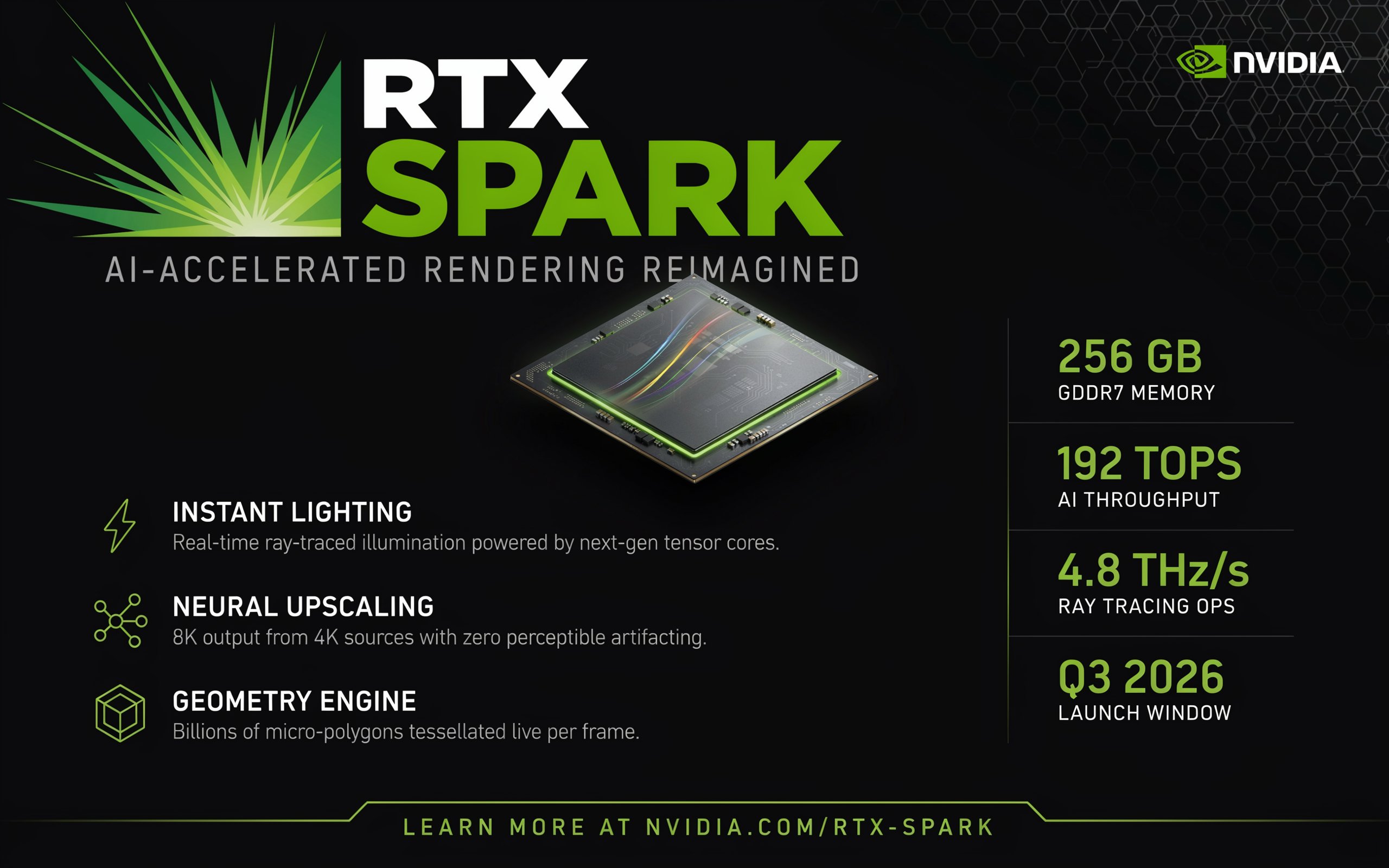
NVIDIA RTX Spark Full Specifications
15th June, 2026
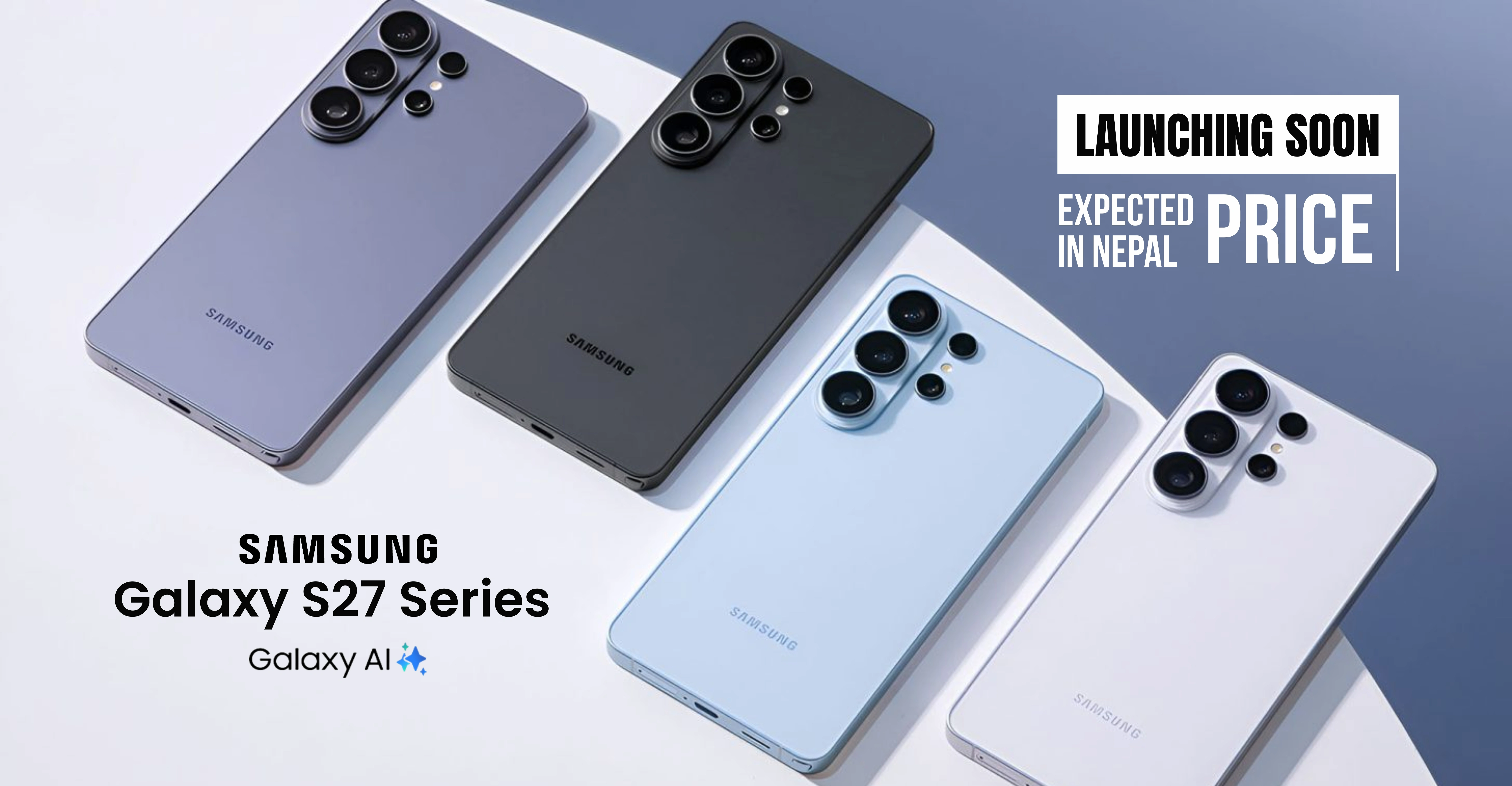
Samsung S27 Price in Nepal, Expected Launch and Full Specifications
9th June, 2026
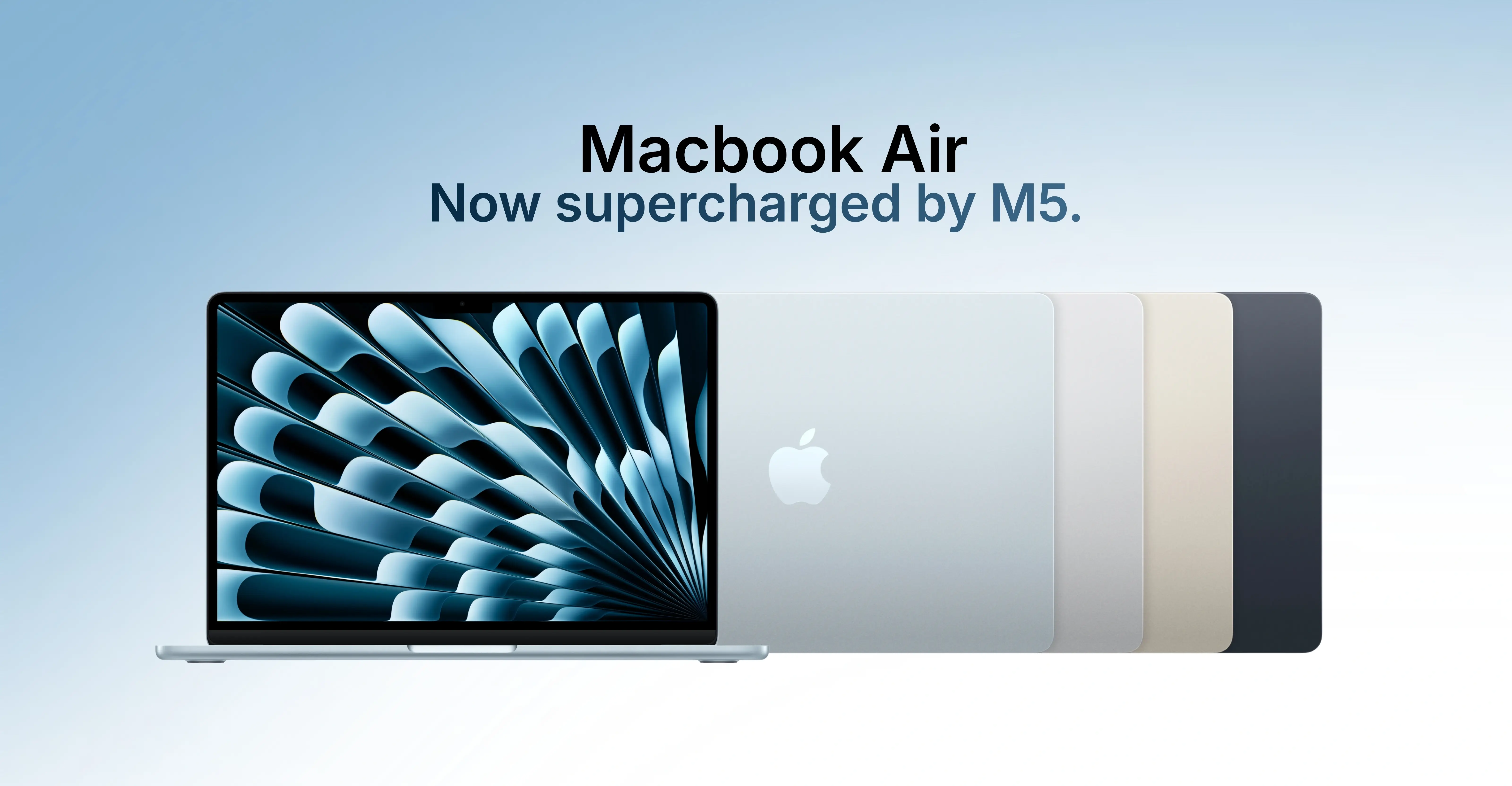
MacBook Air M5: Apple’s Most Popular Macbook Gets a Big Upgrade
13th March, 2026
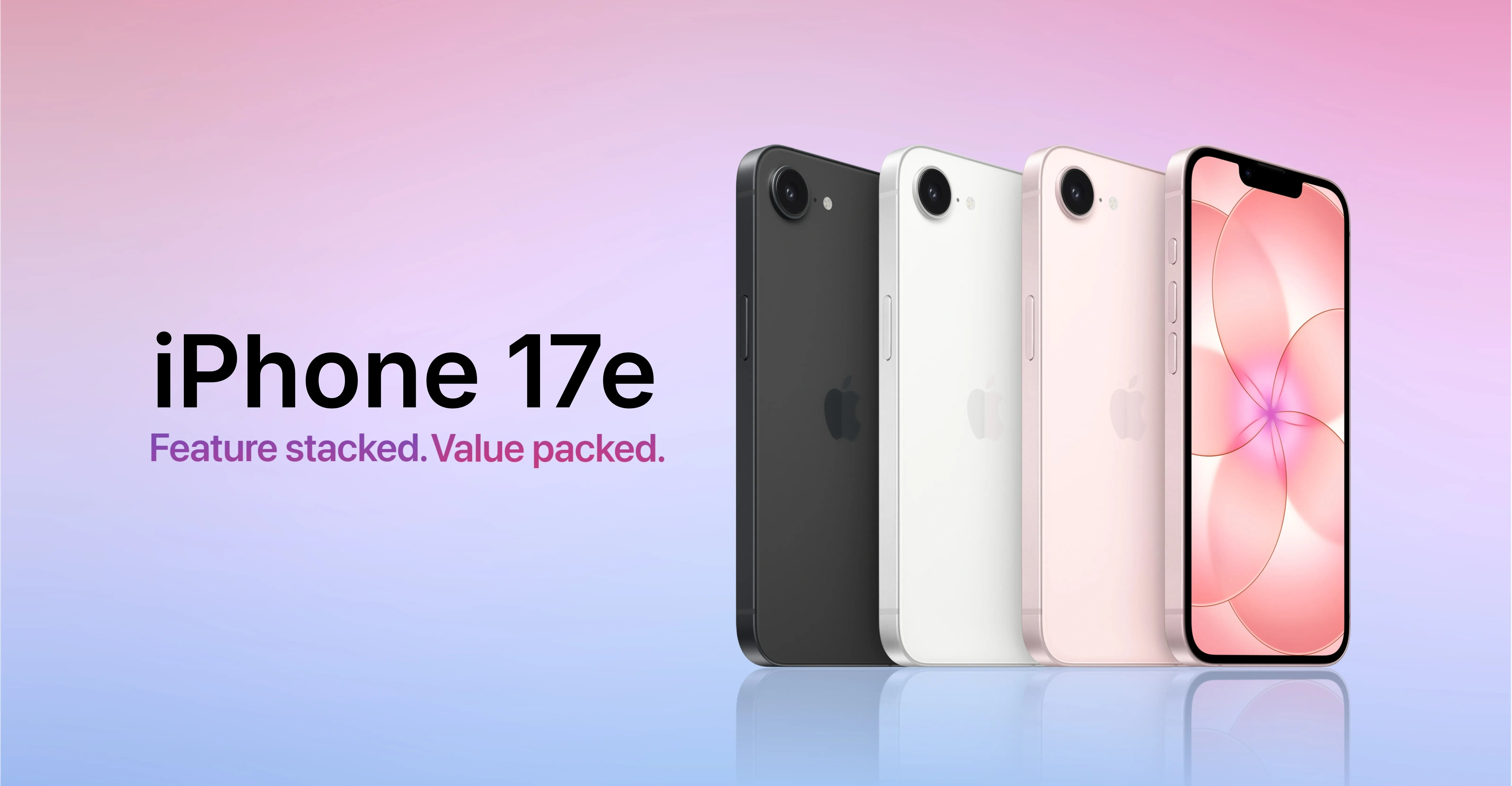
iPhone 17e: Apple’s Most Affordable A19-Powered iPhone Yet
11th March, 2026
Everything you need to know about Samsung S26 Series
10th March, 2026